
1. Introduction
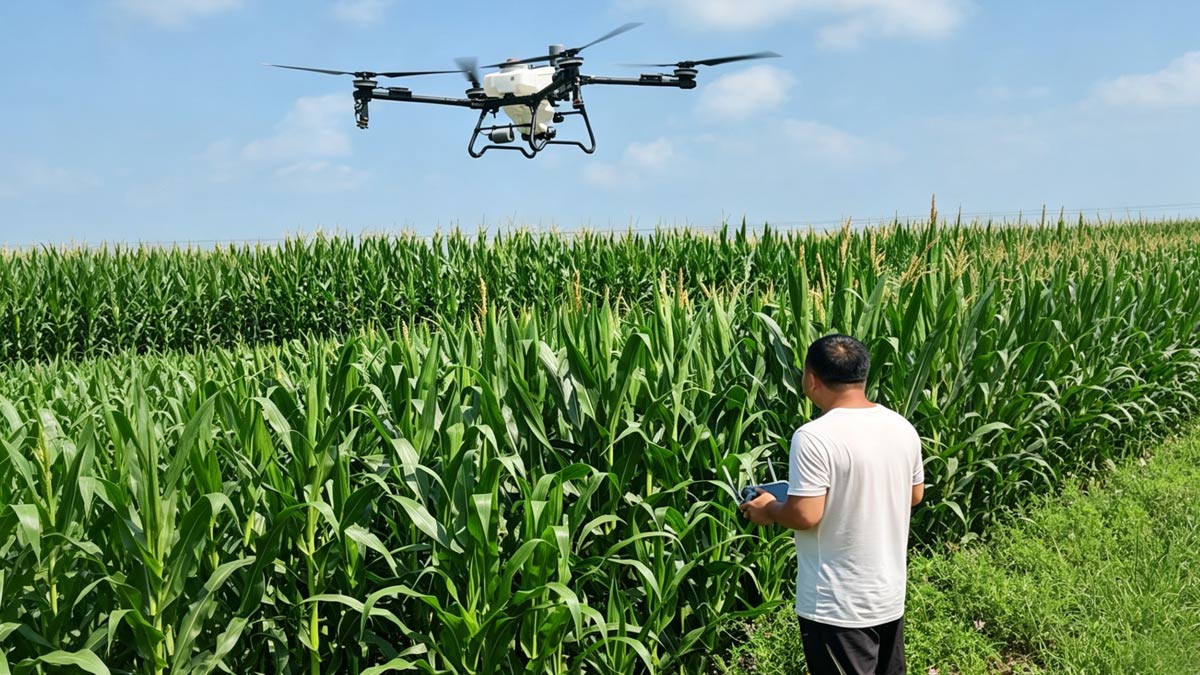
DJI agricultural drones have become the backbone of modern precision agriculture, widely adopted for crop spraying, targeted fertilization, seed sowing, and large-scale pest control. Models including the DJI Agras T25, T40, T50,T70, and T70P deliver powerful load capacity and intelligent flight performance, yet their long-term efficiency and operational stability heavily rely on systematic post-use maintenance. Many drone operators overlook daily upkeep, resulting in clogged spray pipelines, degraded battery performance, unstable motor rotation, and shortened drone service life.
This comprehensive DJI agricultural drone maintenance guide elaborates on scientific post-operation cleaning, core component inspection, battery care, long-term storage standards, routine troubleshooting, and emergency spare part management. By implementing these standardized maintenance procedures, farmers and drone pilots can keep their Agras drones in consistent peak condition, minimize unexpected field failures, cut down repair expenses, and sustain maximum operational productivity throughout farming seasons.
2. Immediate Post-Operation Cleaning
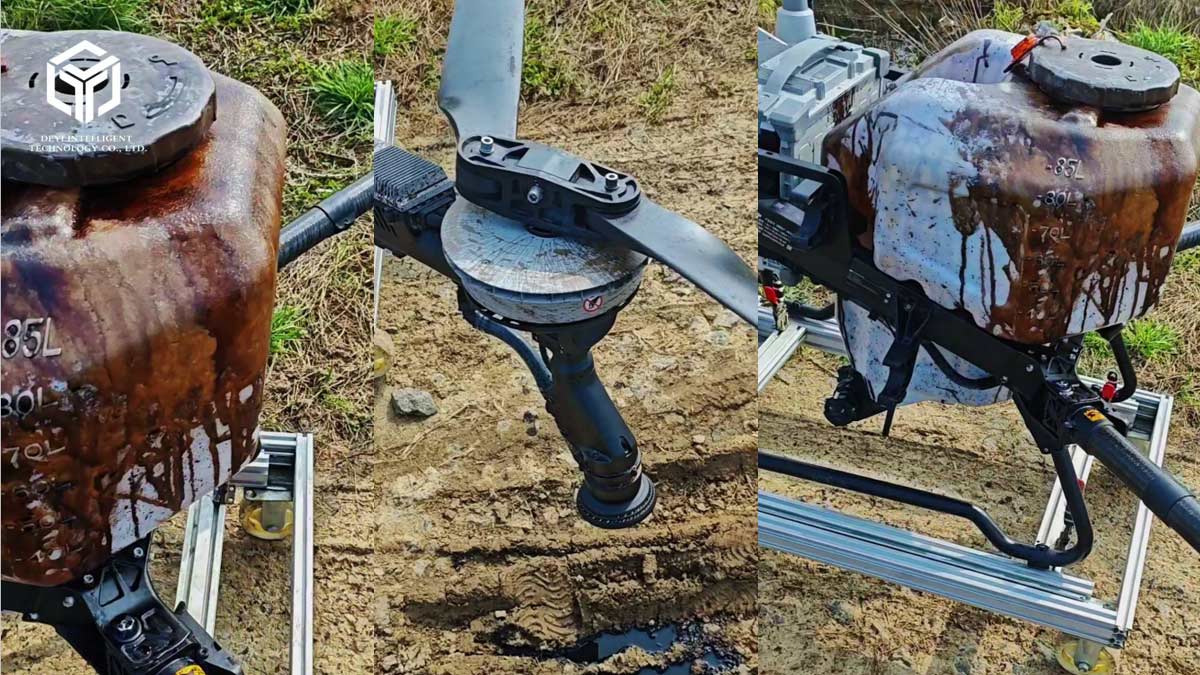
Agricultural drone operations take place in highly demanding outdoor environments, where devices are constantly exposed to pesticide mist, chemical fertilizer dust, crop residues, soil particles, and humid field air. Without timely and professional maintenance, residual chemicals and dirt will gradually corrode body surfaces, block spray systems, and interfere with sensor accuracy. Complete cleaning after every mission is the most fundamental step to preserve drone performance and extend equipment lifespan.
2.1 Body and Arm Cleaning
First, power off the drone completely and disconnect the battery to avoid short circuits. Wipe the fuselage, carbon fiber arms, and buckles with a soft, lint-free damp cloth to remove dust, mud, and crop residues. Do not use high-pressure water guns to flush the drone directly, as high water pressure may penetrate the waterproof shell, damage internal circuits, IMU sensors, and wiring interfaces. Check all arm locking buckles during cleaning; replace worn, cracked, or loose buckles in time to avoid flight safety hazards.
2.2 Spray System Deep Cleaning
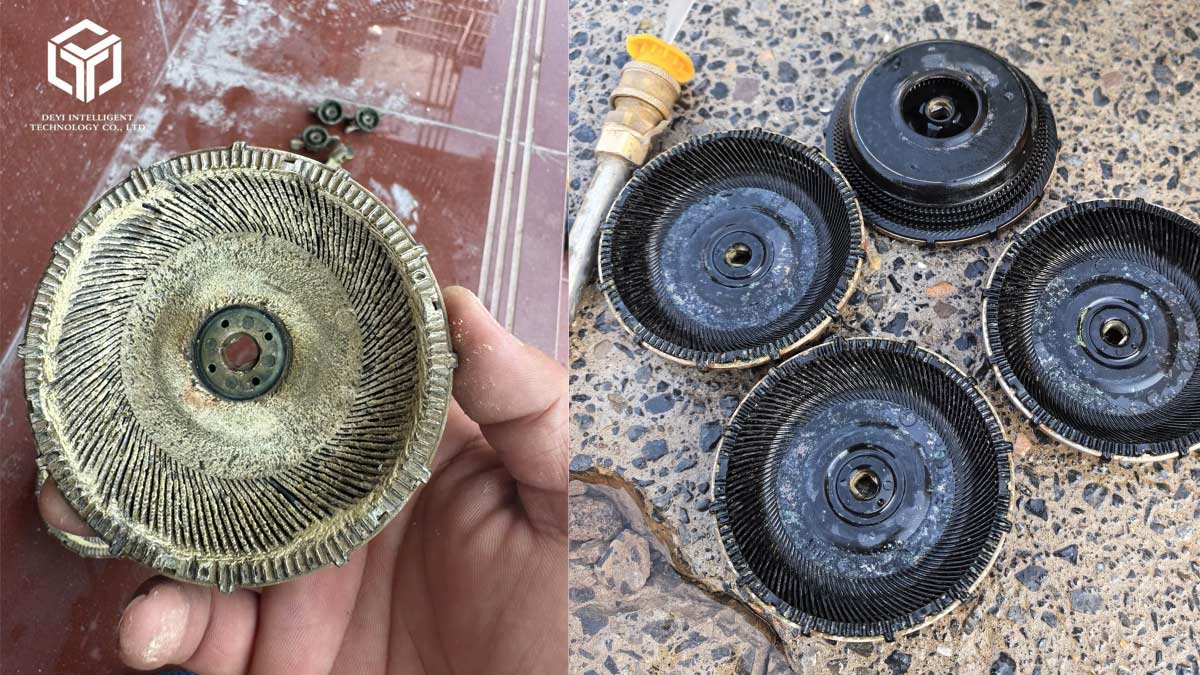
The liquid tank, filter assemblies, delivery pipelines, and spray nozzles are the most failure-prone components during agricultural missions. Pesticide and fertilizer residues easily solidify inside pipelines, causing uneven spraying, flow blockage, and pump load overload. After each chemical operation, refill the tank with clean water and run the spray system continuously for 2 to 3 minutes to flush residual chemicals from the pump and internal pipes. Detach and clean tank filters and nozzle filters regularly to remove sediment and impurities. For stubborn chemical buildup, use neutral cleaning solution for auxiliary cleaning. Always fully drain remaining water and air-dry the entire spray system to prevent residue corrosion and next-job blockages.
2.3 Vision and Radar System Maintenance
Modern DJI Agras agricultural drones rely on high-precision vision positioning and radar obstacle avoidance systems to ensure accurate spraying and safe autonomous flight. Pesticide fog, dust, and water stains on optical surfaces will severely reduce detection accuracy and obstacle avoidance sensitivity. Use a professional lens cleaning cloth to wipe vision lenses and radar protective covers clean. Avoid direct finger contact to prevent oil contamination. Routinely check the radar housing for cracks, dents, or deformation, and verify that all wiring connectors remain tight, intact, and free from pulling or wear damage.
3. Core Component Regular Inspection & Maintenance
Regular cleaning alone cannot sustain long-term peak drone performance. Continuous high-intensity farm operations wear down motors, propellers, batteries, and flight control components. Scheduled inspection and targeted maintenance effectively reduce hidden faults, stabilize flight consistency, and significantly prolong the overall service life of DJI agricultural drones.
3.1 Propeller and Motor Maintenance
Perform a full propeller inspection before every flight. Check for cracks, bends, surface abrasion, and structural deformation. Any damaged propeller must be replaced immediately to prevent flight jitter, altitude instability, and aerial shaking. Regularly examine and tighten propeller fixing screws to avoid loose spinning during operation. Clean motor surfaces and remove crop fibers, grass strands, and accumulated dust tangled around motor shafts. Ensure every motor rotates smoothly without abnormal noise, stuttering, or resistance. Stop operation instantly if unusual vibration or sound occurs for timely troubleshooting.
3.2 Battery Scientific Maintenance
Intelligent drone battery health directly determines flight time, operational efficiency, and flight safety. Improper battery maintenance leads to rapid capacity decay, shortened cycle life, and even bulging or safety risks. Never expose batteries to high-temperature environments or leave them inside sealed sun-exposed vehicles. Store drone batteries in a dry, ventilated, and constant-temperature environment, maintaining a stable temperature range of 10–25°C and humidity below 85% RH.
Adopt standardized charging habits by using only original DJI chargers and avoid overcharging or complete deep discharge. For long-term storage, keep battery power at 50%–60% to preserve cell activity. Never store fully charged or fully drained batteries for extended periods. Inspect battery appearance regularly for deformation, scratches, or abnormal swelling, and discontinue use immediately if any defect appears.
3.3 Flight Control & Firmware Update
Timely firmware updates via the official DJI Pilot APP are critical for maintaining optimal drone performance. Official firmware upgrades fix system bugs, optimize flight control algorithms, enhance radar and vision obstacle avoidance precision, and improve overall operational stability. Drone operators should regularly review flight logs to monitor motor status, IMU stability, battery cycle health, and flight data anomalies, allowing early detection of subtle issues before they develop into serious operational failures during large-area farmwork.
4. Long-Term Storage & Idle Maintenance
During off-season periods or whenever the agricultural drone remains idle for weeks or months, scientific long-term storage maintenance is essential to prevent electronic aging, performance degradation, and component failure. Before storage, complete a full-body cleaning to eliminate all pesticide residue, dust, and moisture. Remove the battery and store it separately following standard battery maintenance guidelines.
Place the fully cleaned drone inside a professional shockproof hard case and store it in a cool, dry, and well-ventilated indoor space. Keep the device away from high humidity, extreme heat, corrosive fumes, and prolonged direct sunlight. For long-idle units, power on the drone every 15 to 30 days for a 5-minute system check, and perform a brief hovering test if possible to maintain electronic component activity.
5. Spare Parts Reserve & Emergency Maintenance
Most agricultural field operations take place in remote rural areas with limited access to professional repair services. During peak farming seasons, sudden component damage or minor failures can halt spraying and sowing work entirely, causing significant economic losses. For this reason, long-term backup spare part reserves and basic emergency maintenance skills are essential to ensure uninterrupted drone operation and stable farm productivity.
5.1 Must-Have Spare Parts for Long-Term Reserve
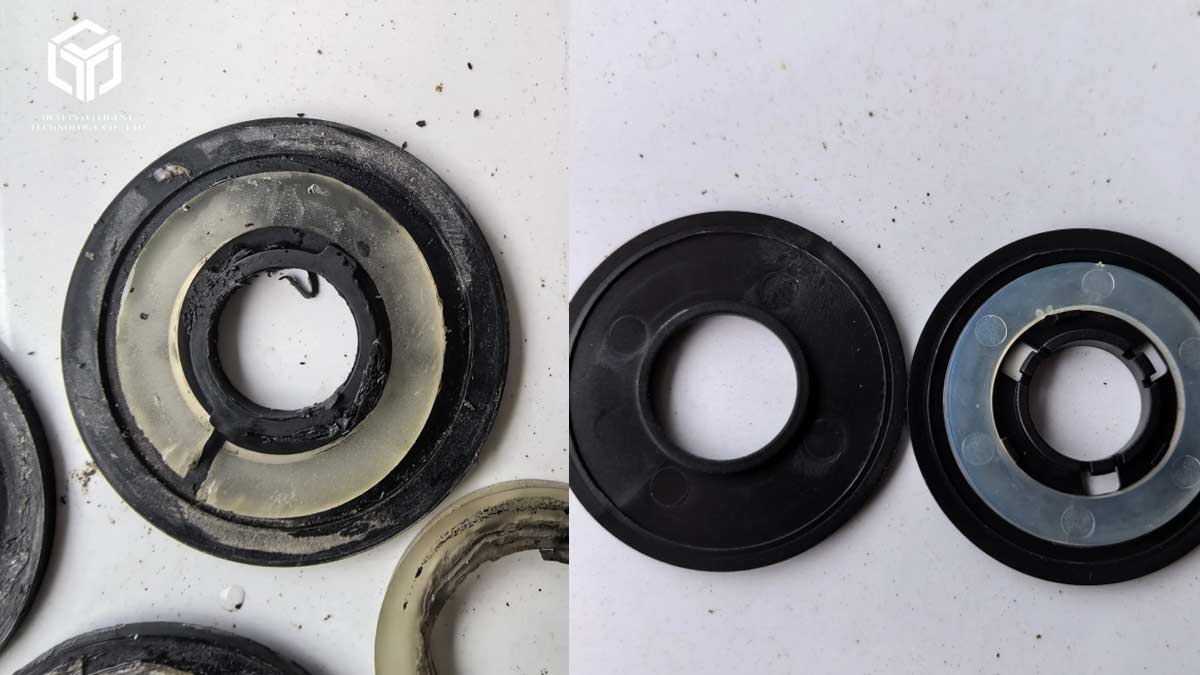
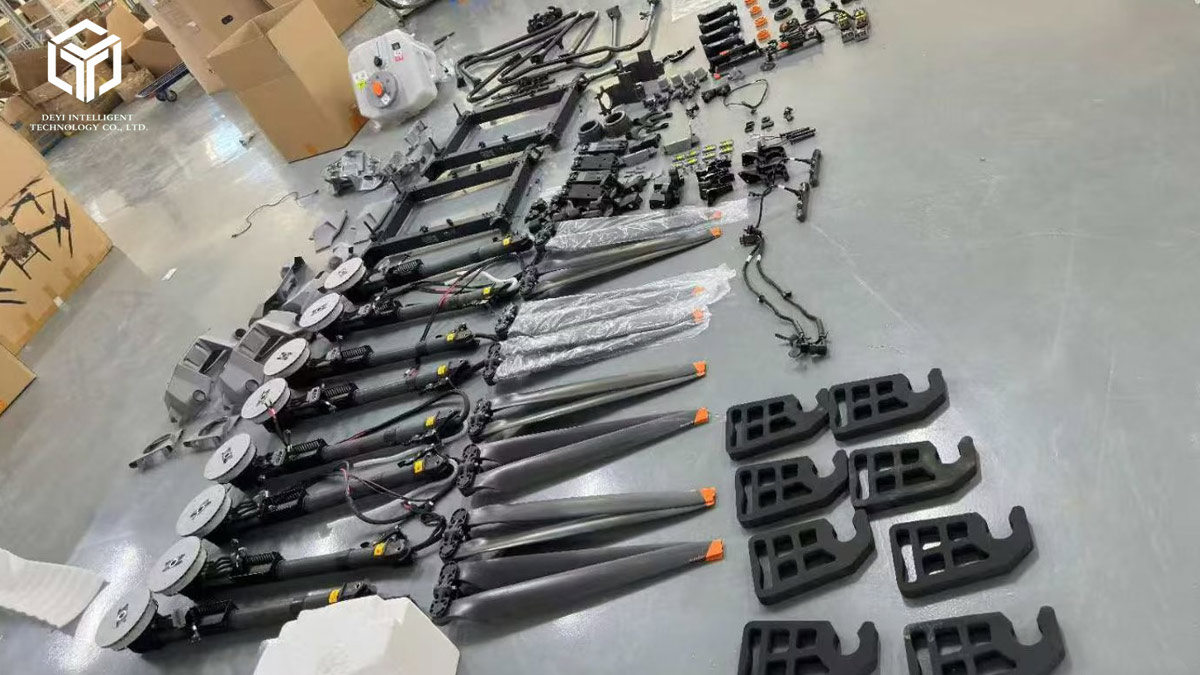
Professional drone pilots should maintain a complete inventory of wearable and easily damaged spare parts for field emergency use. The most essential reserved accessories include original replacement propellers, propeller screws, nozzle cores, nozzle filters, water pipe connectors, tank filter screens, arm locking buckles, and battery balance maintenance tools. These components wear out rapidly under frequent farm operation conditions. Having fully stocked spare parts allows instant on-site replacement, quickly restores drone functionality, and avoids costly field downtime.
5.2 Emergency On-Site Maintenance Tips
Mastering basic on-site emergency maintenance skills greatly improves field operation reliability. If propellers show minor deformation or cracks, replace them with spare propellers before continuing flight missions. In case of nozzle blockage, rapidly swap new filter screens and nozzle cores to restore uniform spraying effect. Retighten or replace missing or loose screws immediately. Never operate a drone with damaged or faulty components, as forced operation will lead to secondary damage, unstable flight, and potential safety accidents.
5.3 Daily Management of Spare Parts
Standardized spare part management ensures maximum emergency response efficiency. Store all drone accessories in a sealed, dust-proof, and moisture-proof storage box with clear classification labels to avoid misuse and confusion. Regularly check stock quantity and part aging conditions, and replenish consumable accessories in advance before every farming peak season. Sufficient long-term spare part reserves enable fast fault recovery, support high-intensity continuous drone operation, and effectively guarantee stable agricultural production progress.
6. Regular Professional Inspection & Maintenance Cycle
To sustain long-term high-efficiency performance of DJI Agras agricultural drones, establishing a standardized maintenance cycle is highly recommended for all drone operators and farm teams:
Daily Maintenance: Complete full-body cleaning after each operation; inspect propellers, battery condition, and overall appearance for visible damage.
Weekly Maintenance: Perform deep cleaning of the entire spray system; check vision and radar wiring stability; verify and tighten all component screws.
Monthly Maintenance: Update drone firmware to the latest official version; test battery health and cycle status; inspect motor operating performance; calibrate flight and spraying parameters.
Seasonal Professional Maintenance: Send the drone to an official DJI service center before each farming season for comprehensive machine detection, professional parameter calibration, vulnerable part replacement, and systematic fault diagnosis.
7. Conclusion
The reliable high performance and long service life of DJI Agras agricultural drones come from consistent, standardized maintenance and complete emergency spare part reserves, rather than device quality alone. Systematic post-operation cleaning, scientific core component care, professional battery management, standardized long-term storage, sufficient backup accessories, and periodic professional inspections work together to eliminate common faults such as spray clogging, flight jitter, battery degradation, and positioning errors. This complete maintenance system ensures zero-delay operation and maximum reliability during busy farming seasons.
Strictly following this full-set maintenance guide significantly improves drone stability and working efficiency, reduces long-term repair costs, extends equipment service life, and delivers consistent, high-productivity performance for modern precision agricultural planting.